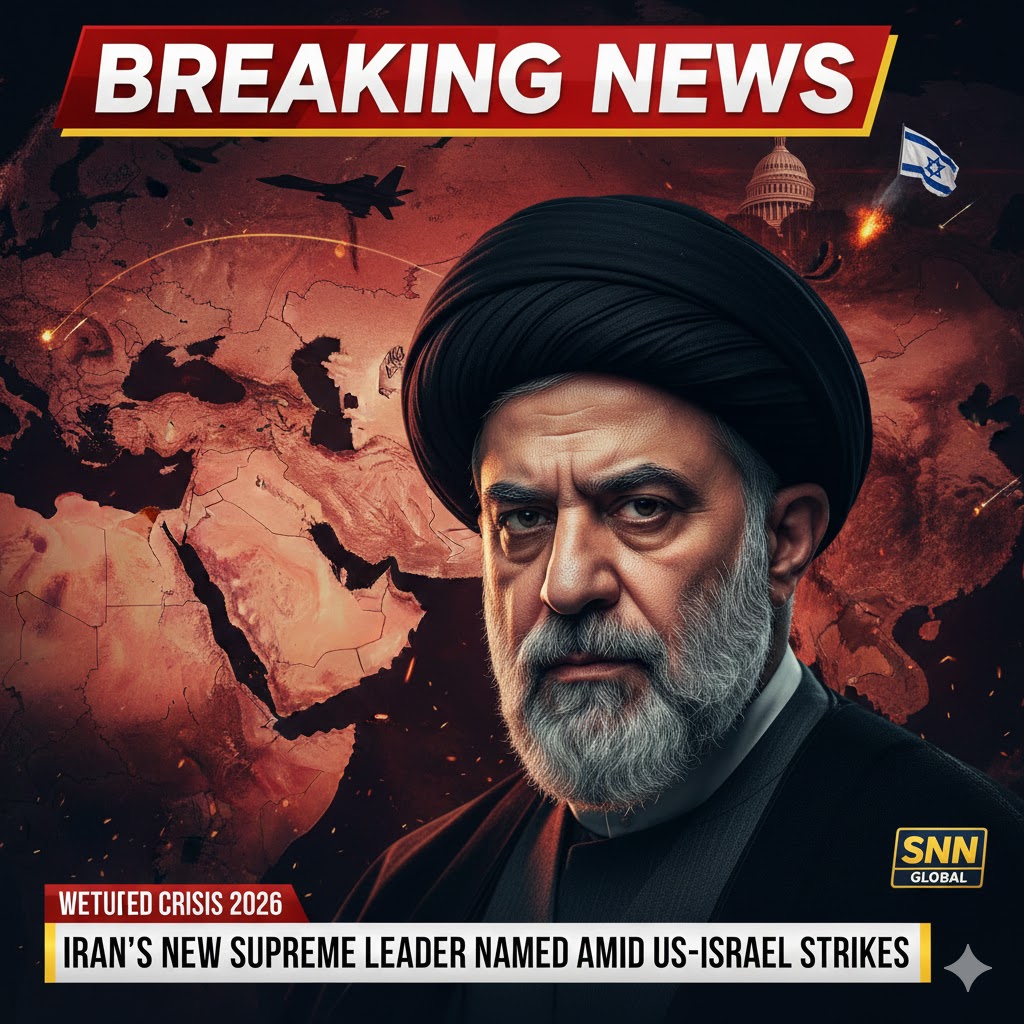
The Middle East Crisis 2026 has taken a dangerous turn today, March 4, as reports emerge of a historic leadership transition in Iran. The Middle East Crisis 2026 has reached a critical turning point today, March 4, following reports that Mojtaba Khamenei has been named the new Supreme Leader of Iran. This historic transition comes after intensive joint military operations by the United States and Israel, which have significantly shifted the geopolitical landscape of the region. As the world watches closely, the implications of this leadership change are reverberating across global markets and diplomatic circles.
A Sudden Leadership Change in Tehran
According to international sources and reports from Iran International, Mojtaba Khamenei, the son of the late Ayatollah Ali Khamenei, has officially taken the mantle of leadership. The move comes as Iran faces unprecedented challenges, including targeted strikes on strategic assets and leadership compounds. Global analysts are closely watching whether this transition during the Middle East Crisis 2026 will lead to further escalation or a potential opening for back-channel diplomacy.
Mojtaba Khamenei has long been considered a powerful figure behind the scenes, particularly within the Islamic Revolutionary Guard Corps (IRGC). His official appointment suggests a consolidation of power by the hardline factions within the Iranian government. This shift is seen as a direct response to the increasing military pressure from the West and Israel, aiming to maintain domestic stability while projecting strength to the outside world.
Military Escalations and Global Impact
The military conflict has expanded rapidly, with recent strikes reported near major hubs like Dubai and Riyadh. In a significant development, Qatar’s defense ministry confirmed that missiles were launched toward its territory, with one reportedly targeting the US-run Al Udeid air base. Meanwhile, UK Foreign Minister Yvette Cooper has sharply condemned drone attacks on the US Embassy in Saudi Arabia, calling the escalation of the Middle East Crisis 2026 “completely unacceptable.”
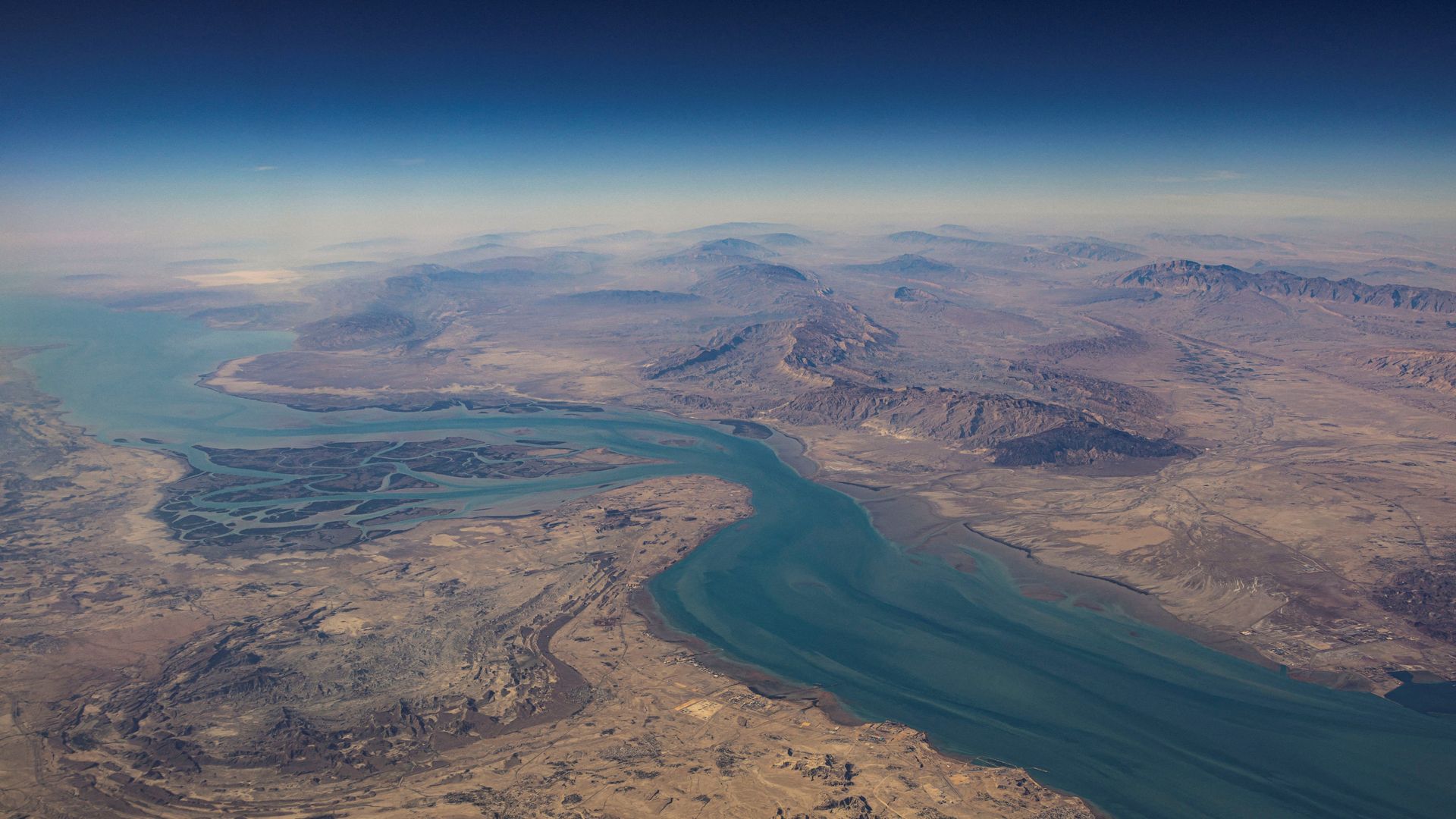
These military actions have not only heightened security concerns but have also sent shockwaves through the global economy. The Persian Gulf, a vital artery for the world’s energy supply, is now a high-risk zone. International shipping companies are rerouting vessels, leading to delays and increased costs for goods and fuel.
The Economic Toll of the Middle East Crisis 2026
The financial markets have reacted sharply to the unfolding events. Oil prices have seen a significant spike, with Brent crude surpassing $95 a barrel for the first time in years. Investors are flocking to safe-haven assets like gold and the US dollar, reflecting widespread uncertainty about the duration and intensity of the Middle East Crisis 2026.
Economic experts warn that a prolonged conflict could lead to a global recession. The disruption of supply chains, combined with rising energy costs, is putting immense pressure on central banks to manage inflation while supporting growth. For many developing nations, the rising cost of imports is creating a humanitarian challenge as food and medicine prices soar.
The Gaza Connection and Regional Stability
While the focus has shifted toward Iran, the situation in Gaza remains a core element of the Middle East Crisis 2026. Efforts to secure a permanent ceasefire have faced numerous setbacks. International mediators, including Egypt and Qatar, continue to push for a deal that would provide much-needed relief to the civilian population and secure the release of hostages.
However, the change in Iranian leadership may influence the stance of regional proxies. Groups such as Hezbollah in Lebanon and the Houthis in Yemen, which receive support from Tehran, are being monitored for signs of increased activity. The fear is that a coordinated multi-front escalation could overwhelm regional defenses and lead to a much larger, more destructive war.
Humanitarian Concerns and International Response
The humanitarian impact of the Middle East Crisis 2026 cannot be overstated. Thousands of civilians have been displaced across the region, and aid agencies are struggling to provide essential services amid ongoing hostilities. The United Nations has called for an immediate de-escalation and the establishment of safe corridors for the delivery of humanitarian aid.
In Washington and Brussels, leaders are debating the best course of action. While there is strong support for Israel’s right to defend itself, there is also growing concern about the long-term consequences of a full-scale war with Iran. Diplomatic efforts are underway to engage with regional partners to find a path toward stabilization.
What Lies Ahead for World News?
As the conflict complicates international travel and energy markets, over 1,600 Americans have reportedly sought help to leave the region. For the global community, the appointment of Mojtaba Khamenei marks a critical junction in the Middle East Crisis 2026. Will the new leadership consolidate power through further military defiance, or will the mounting international pressure lead to a ceasefire?
The next few weeks will be crucial. The international community’s ability to coordinate a unified response will determine whether the region can find a path back to peace or if it will descend further into chaos.
Stay tuned to Snap News Daily as we bring you live updates and expert analysis on the unfolding situation in Iran and the wider Middle East. We are committed to providing you with the most accurate and up-to-date information as the Middle East Crisis 2026 continues to evolve.